Guide · Bluewater cruising · 3 min read
Crossing the Atlantic in a 40 ft sailboat: preparing the boat
Structure, rigging, autonomy, energy, safety and timing: how to prepare a 12-metre sailboat for an Atlantic crossing.

Structure, rigging, autonomy, energy, safety and timing: how to prepare a 12-metre sailboat for an Atlantic crossing.
Around twelve metres, a modern sailboat combines what an Atlantic crossing requires: enough waterline length for good averages, enough volume to carry water, food and spares for three weeks, and handling loads that remain manageable with a small crew.
Size is not everything. What matters is a boat designed and prepared for offshore: a sound structure, checked rigging, sufficient autonomy and a rested crew.
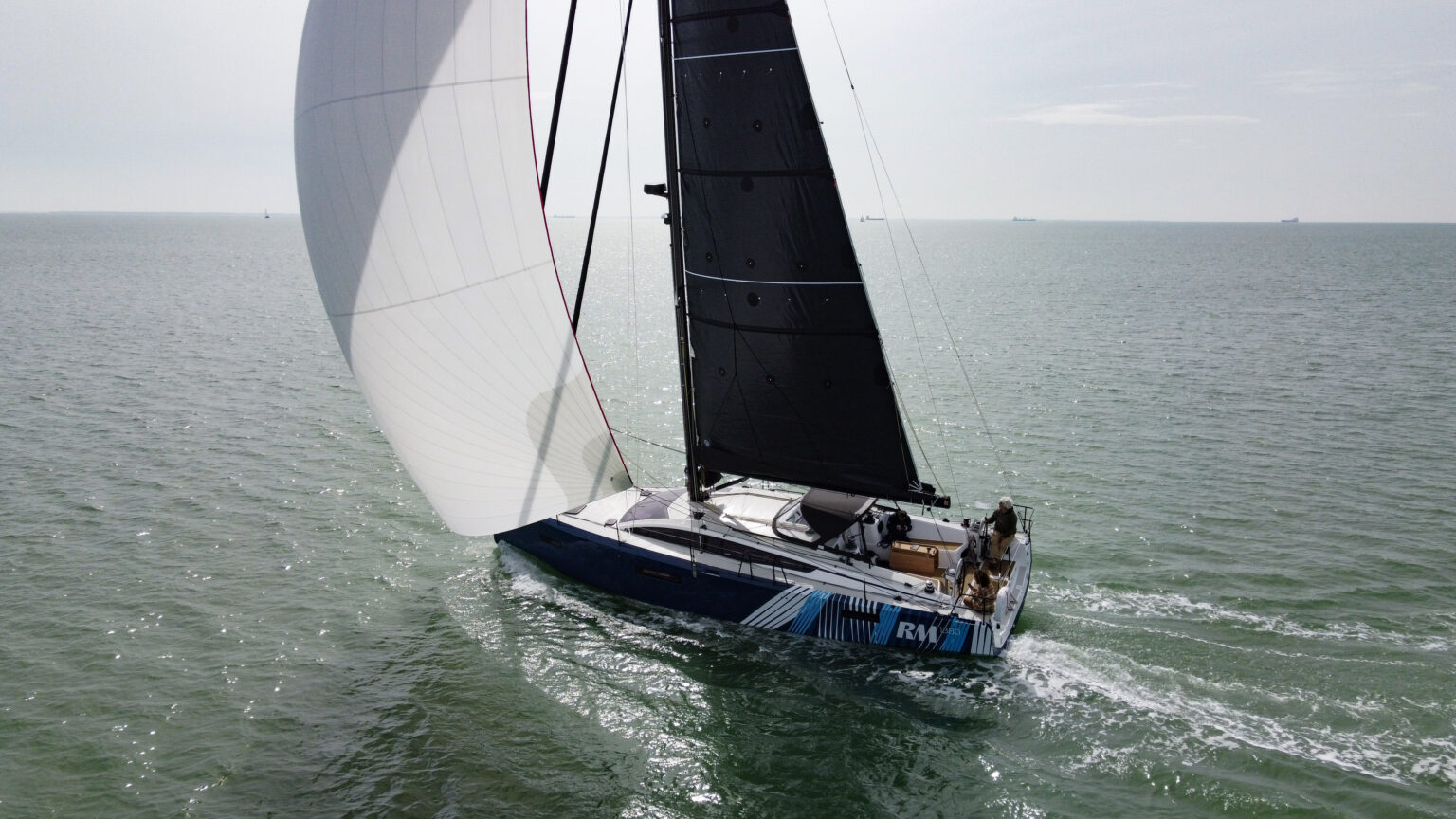
Before leaving, have the standing and running rigging inspected: turnbuckles, swaged terminals, chainplates, blocks, reefing lines. On a downwind crossing of several weeks, it is the parts under constant chafe that fail, rarely the structure.
Check the rudders, their bearings and stock, as well as keel fastenings and through-hulls. On a plywood-epoxy hull, a visual inspection of the paint and deck penetrations completes the check.
Allow two to three weeks for a crossing from the Canaries or Cape Verde. Plan fresh water with a margin, in tanks and jerrycans, or with a watermaker. Fuel is mostly used to charge batteries and to motor through calms.
Energy is the area that has progressed most: solar panels, a hydrogenerator and lithium batteries now run the autopilot, electronics and fridge without relying on the engine. Size the bank from the real consumption of the autopilot, the biggest consumer aboard.
| RM 1180 | RM 1380 | |
|---|---|---|
| Hull length | 11.80 m | 13.30 m |
| Fresh water | 270 L | 270 L (400 L optional) |
| Fuel | 120 L | 2 x 96 L |
| Black water | 55 L | 2 x 55 L |
| Engine | 50 hp | 60 hp (75 hp optional) |
Builder’s data.
The autopilot is the hardest-working crew member on the crossing. Choose one sized for the boat’s displacement, carry the essential spares, and consider a windvane or a second autopilot as backup.
A balanced boat that keeps a light helm downwind relieves both the autopilot and the crew. Wide hulls with twin rudders keep a grip in the water when heeled and remain easy to hold in the trade-wind swell.
A liferaft suited to the crew, an emergency beacon, AIS, harnesses and tethers, and a complete medical kit form the basics. Satellite communication lets you receive weather en route and stay reachable.
Also plan for common repairs: sail repair kit, engine spares, glues and resins, fasteners. Far from any assistance, being able to fix a small problem stops it becoming a big one.
The most common route runs from the Canaries or Cape Verde to the Caribbean with the trade winds, with departures from late November to January, once the North Atlantic hurricane season is over.
The return to Europe is in spring, usually via Bermuda or directly to the Azores, before the next hurricane season. These windows shape the whole project: preparation, delivery trips and stopovers are planned around them.
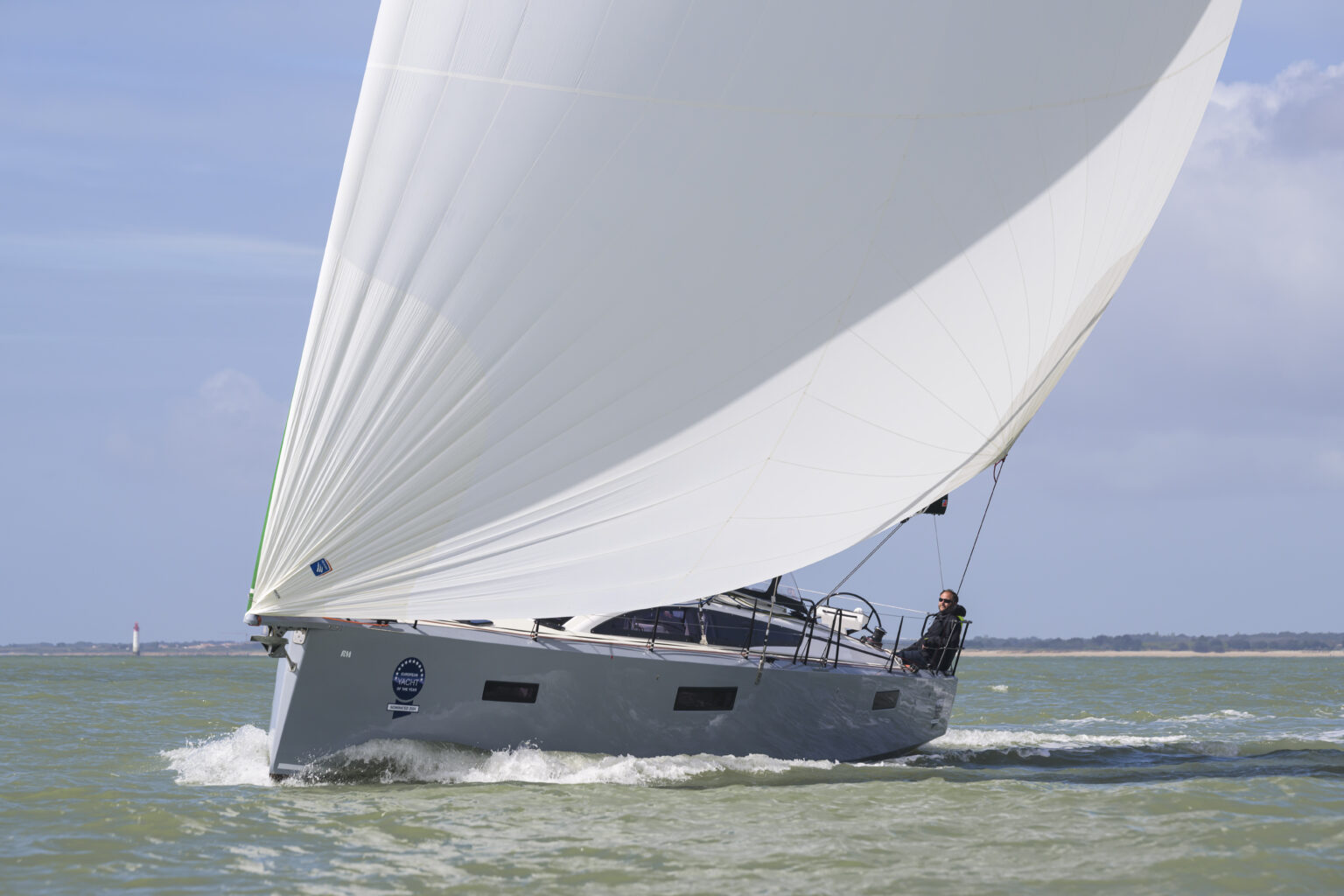
The RM 1180, French Sailboat of the Year 2020, and the RM 1380 are designed for long passages.
Yes. It is one of the most common sizes on the trade-wind route: enough volume for autonomy, and handling manageable with a small crew, provided the boat is designed and prepared for offshore sailing.
Two to three weeks on average from the Canaries or Cape Verde to the Caribbean, depending on the boat, route and conditions.
From late November to January towards the Caribbean, after the hurricane season; the return to Europe is in spring.
Plan with a safety margin, in tanks and jerrycans, or fit a watermaker. Needs depend on the crew and habits aboard.
The RM 1180 and RM 1380 are designed for long passages; the RM 1080 is also an ocean cruiser suited to this programme.
WhatsApp us